|
|
|
|
|
|
use of antiscalant in ro plant
|
|
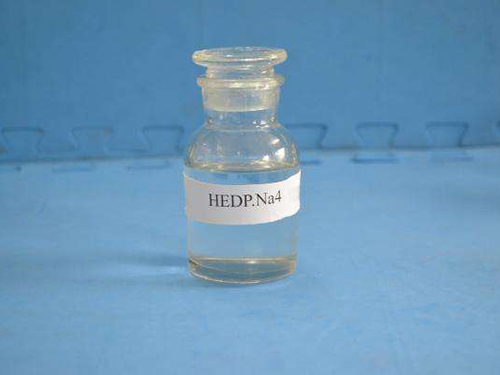
cas 29329 71 3 / 29329 71 3: This CAS number (29329-71-3) refers to the Tetrasodium salt of HEDP. LKP BTC produces this common form of HEDP for various industrial applications.cas 3794 83 0 / 3794 83 0: This CAS number (3794-83-0) refers to the Trisodium salt of HEDP. This is another variant of HEDP that LKP BTC can supply.
|
|
|
|
|
|
pbtc tricarboxylic acid
|
|
nonionic polyacrylamide / non ionic polyacrylamide / hydrolyzed polyacrylamide / partially hydrolysed polyacrylamide: LKP BTC offers "nonionic polyacrylamide" (N-PAM). This type has no charge and is used in situations where the suspended particles are neutral or where the water chemistry is sensitive to ionic changes. "Hydrolyzed polyacrylamide" is a form of anionic PAM where some amide groups have been converted to carboxylate groups.
|
|
|
|
|
|
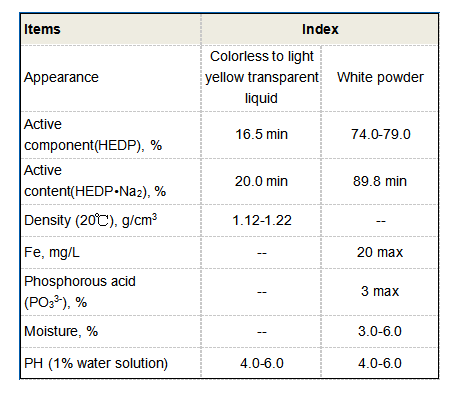
hydroxyethylidene diphosphonic acid hedp
|
|
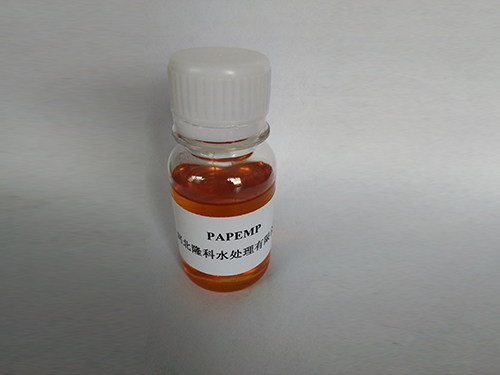
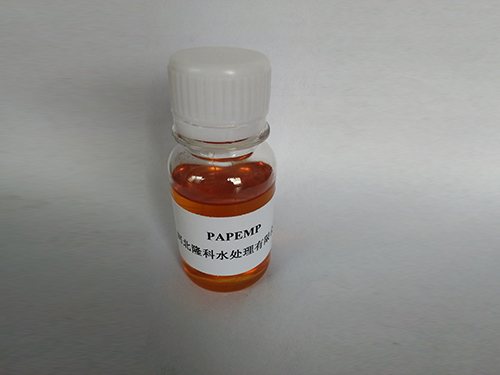
papemp: This likely refers to "PAPEMP" (Phosphino Polycarboxylic Acid), a multi-functional water treatment agent with excellent scale and corrosion inhibition properties, particularly for calcium phosphate and zinc salts.
|
|
|
|
- microbe lift flocculant plus Services
|
|
anionic polyacrylamide / anionic polyacrylamide flocculant / anionic pam / anionic polyacrylamide price / anionic polyacrylamide uses: LKP BTC produces "anionic polyacrylamide" (A-PAM). This type of PAM carries a negative charge and is primarily used as a "flocculant" in mineral processing, coal washing, and sand washing to aggregate inorganic particles like clays and metal oxides. The "price" varies based on the degree of hydrolysis.
|
|
|

|
dispersing agent in dyeing
|
|
nonionic polyacrylamide / non ionic polyacrylamide / hydrolyzed polyacrylamide / partially hydrolysed polyacrylamide: LKP BTC offers "nonionic polyacrylamide" (N-PAM). This type has no charge and is used in situations where the suspended particles are neutral or where the water chemistry is sensitive to ionic changes. "Hydrolyzed polyacrylamide" is a form of anionic PAM where some amide groups have been converted to carboxylate groups.
|
|
|
|
|

|
pbtc net
|
|
inhibitor water treatment: This is a broad category that encompasses LKP BTC's entire mission. They produce chemical "inhibitors" specifically for "water treatment" applications. These inhibitors include scale inhibitors, corrosion inhibitors, dispersants, and biocides that are added to water systems to prevent problems and maintain system efficiency and longevity.
|
|
|
|
|
|
microbe lift flocculant plus Special Activities
|
|
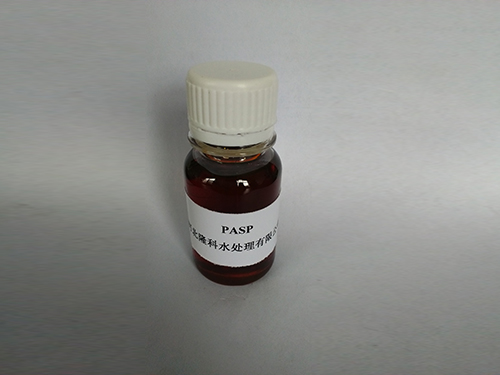
polyaspartic acid / polyaspartic acid sodium salt / polyaspartic acid structure / sodium of polyaspartic acid / cas 181828 06 8 / 181828 06 8: LKP BTC manufactures "Polyaspartic Acid" and its "sodium salt." This biodegradable polymer is used as an eco-friendly scale and corrosion inhibitor. Its unique "structure" allows it to effectively disperse scale-forming particles. The CAS number for polyaspartic acid is 181828-06-8.
|
|
|
|
|
|
|
|
microbe lift flocculant plus Hot Activities
|
|
phosphoric acid corrosion inhibitor / phosphate corrosion inhibitor / phosphate ester corrosion inhibitor / phosphonate corrosion inhibitor: LKP BTC manufactures "corrosion inhibitors" based on "phosphoric acid," "phosphate," "phosphate ester," and "phosphonate" chemistry. These compounds work by forming a protective, passivating layer on metal surfaces (often iron and steel) to prevent corrosive agents from attacking the metal.
|
|
|
|
|
|
|
|
Our Awesome Activities
|
|
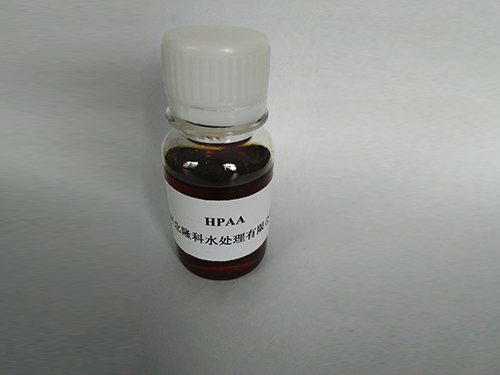
hydroxyphosphonoacetic acid / hpaa: LKP BTC offers "HPAA" (Hydroxyphosphonoacetic Acid), a green and biodegradable phosphonic acid that functions as a scale and corrosion inhibitor. It is an environmentally friendly alternative to traditional phosphonates.
|
|
|
|
|
|
|
|
|
|
|
|
|
|
|
|
|
|
|
|
|
|
|
|
|
|
|
|
|
|
|
|
|
|
|
|
|
|
|
|
What Our Clients Say
|
|
polyaspartic acid / polyaspartic acid sodium salt / polyaspartic acid structure / sodium of polyaspartic acid / cas 181828 06 8 / 181828 06 8: LKP BTC manufactures "Polyaspartic Acid" and its "sodium salt." This biodegradable polymer is used as an eco-friendly scale and corrosion inhibitor. Its unique "structure" allows it to effectively disperse scale-forming particles. The CAS number for polyaspartic acid is 181828-06-8.
|
|
|

|
|
|
The homepage clearly communicates their global reach and manufacturing capabilities. Instills confidence immediately.
|
|
|
|

|
|
|
Their communication is clear and concise. No language barrier issues at all.
|
|
|
|
|
|
|
|