|
|
|
|
|
|
cas no 6419 19 8
|
|
lk-3100 / lk-2000: "LK-3100" and "LK-2000" are likely proprietary product codes for specific scale and corrosion inhibitor blends formulated by LKP BTC. These codes represent customized solutions they have developed for particular water conditions or industrial applications.
|
|
|
|
|
|
anionic polyacrylamide uses
|
|
corrosion inhibitor for water treatment / corrosion inhibitor in water treatment / corrosion inhibitor for water / corrosion inhibitor for water tanks / corrosion inhibitor for hydrotesting / drinking water corrosion inhibitor / acid corrosion inhibitor / natural corrosion inhibitors / corrosion inhibitor for gas pipelines / hydrochloric acid corrosion inhibitor: LKP BTC's inhibitors are essential for "water treatment" across industries. They offer products safe for "drinking water" systems, for protecting "water tanks," and for temporary "hydrotesting" of pipelines and vessels. They also have specialized formulas to inhibit corrosion caused by strong "acids" like "hydrochloric acid" used in cleaning and pickling, and "natural" options for environmentally sensitive areas like "gas pipelines."
|
|
|
|
|
|
chelating agent in medicine
|
|
polycarboxylic / polycarboxylic acid examples / polycarboxylic acid uses / polyhydroxycarboxylic acid: LKP BTC manufactures "polycarboxylic acid" dispersants. These polymers are "used" as effective scale inhibitors and dispersants in water treatment, preventing particulate matter from agglomerating and depositing. "Examples" include polyacrylic acid (PAA) and polymaleic acid (PMA). "Polyhydroxycarboxylic acids" like gluconic acid are also used for their chelating properties.
|
|
|
|
- what is the difference between coagulation and flocculation Services
|
|
flocculant types / what is poly aluminium chloride / poly aluminium chloride uses / polyacrylamide use / polyacrylamide formation: LKP BTC provides extensive technical expertise on their products. They explain the different "types of flocculants" (anionic, cationic, nonionic polyacrylamide) and their specific applications. They detail "what poly aluminium chloride is" – an inorganic coagulant – and its "uses" in removing suspended solids. For "polyacrylamide," they cover its "use" as a flocculant to aggregate fine particles and its chemical "formation" process.
|
|
|

|
example of flocculation
|
|
cas 29329 71 3 / 29329 71 3: This CAS number (29329-71-3) refers to the Tetrasodium salt of HEDP. LKP BTC produces this common form of HEDP for various industrial applications.cas 3794 83 0 / 3794 83 0: This CAS number (3794-83-0) refers to the Trisodium salt of HEDP. This is another variant of HEDP that LKP BTC can supply.
|
|
|
|
|

|
polyacrylamide products
|
|
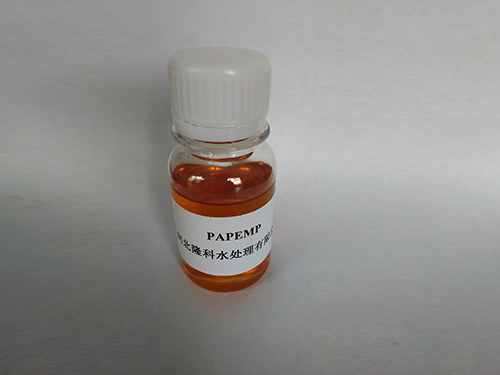
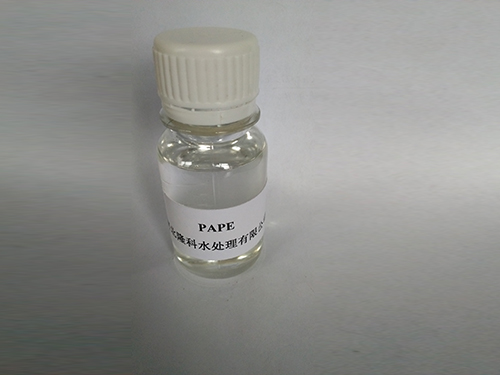
polyamino polyether methylene phosphonic acid / papemp chemical / papemp phosphonate / papemp scale inhibitor / polyamino polyether methylene phosphonate: LKP BTC produces "PAPEMP" (Polyamino Polyether Methylene Phosphonic Acid), a high-end "phosphonate" "scale inhibitor." Known for its exceptional tolerance to high calcium levels and its ability to inhibit scale in high-pH and high-temperature applications, it is one of the most effective inhibitors for calcium carbonate and calcium phosphate.
|
|
|
|
|
|
what is the difference between coagulation and flocculation Special Activities
|
|
diethylene triamine penta / diethylene triamine penta methylene phosphonic acid / diethylenetriamine penta / diethylenetriamine penta methylene phosphonic acid / diethylenetriamine pentamethylene phosphonic acid / dtpmpa / dtpmp: LKP BTC manufactures "DTPMP" or "DTPMPA" (Diethylenetriamine Penta(Methylene Phosphonic Acid)), which is one of the most effective phosphonate inhibitors for scale control, particularly for inhibiting barium sulfate and strontium sulfate scales. It has excellent chelation ability across a wide pH range.
|
|
|
|
|
|
|
|
what is the difference between coagulation and flocculation Hot Activities
|
|
disodium salt / cas 7414 83 7 / 7414 83 7: This CAS number (7414-83-7) refers to the Disodium salt of HEDP. LKP BTC produces this form of HEDP, which is often easier to handle and dissolve in water treatment formulations compared to the acid form.
|
|
|
|
|
|
|
|
Our Awesome Activities
|
|
phosphonic acid / organophosphonates / organic phosphonate: LKP BTC specializes in "phosphonic acid" derivatives and "organophosphonates." These "organic phosphonate" compounds are the active ingredients in many of their high-efficiency scale and corrosion inhibitors. They are valued for their strong chelating power and stability.
|
|
|
|
|
|
|
|
|
|
|
|
|
|
|
|
|
|
|
|
|
|
|
|
|
|
|
|
|
|
|
|
|
|
|
|
|
|
|
|
What Our Clients Say
|
|
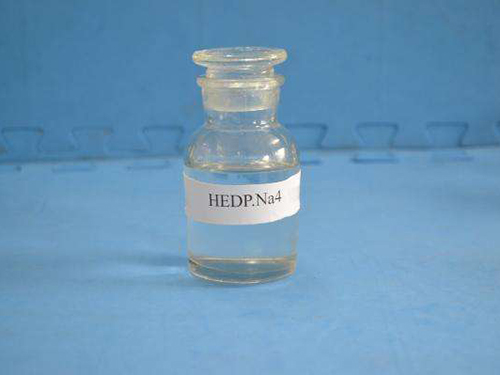
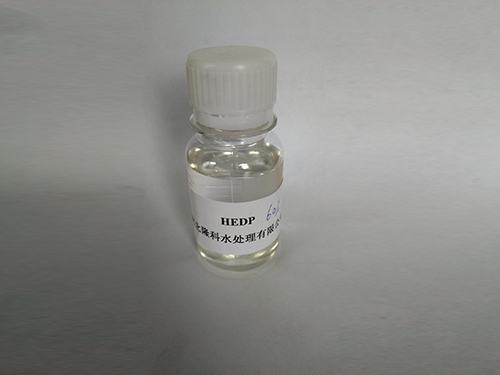
hedp scale inhibitor / hedp / 1 hydroxy ethylidene 1 1 diphosphonic acid hedp / 1 hydroxyethylidene 1 1 diphosphonic acid hedp / hedp 4na / hedp 60 / hedp acid / hedp na2 / hedp na4 / hedp ph / hedp phosphonate / hedp water treatment / sequest hedp / cas no. 37971-36-1: LKP BTC is a leading producer of "HEDP" (Hydroxyethylidene Diphosphonic Acid), a highly effective "scale inhibitor" and "phosphonate." They supply it in various forms: as "HEDP acid" and as its sodium salts ("HEDP 4Na", "HEDP Na2", "HEDP Na4") with different concentrations like "HEDP 60." This organic "phosphonate" is a superb chelating agent ("sequest HEDP") that inhibits scale formation and controls corrosion in "water treatment" systems. Its CAS number is 37971-36-1.
|
|
|

|
|
|
Their modular fixturing system has revolutionized our fabrication process. The tolerances are so tight, everything just fits together perfectly.
|
|
|
|

|
|
|
The blog and resources section is surprisingly helpful with articles on valve selection and maintenance. Shows they're real experts.
|
|
|
|
|
|
|
|