|
|
|
|
|
cas no 2809 21 4 BEST FEATURES
|
|
|

|
|
|

|
|
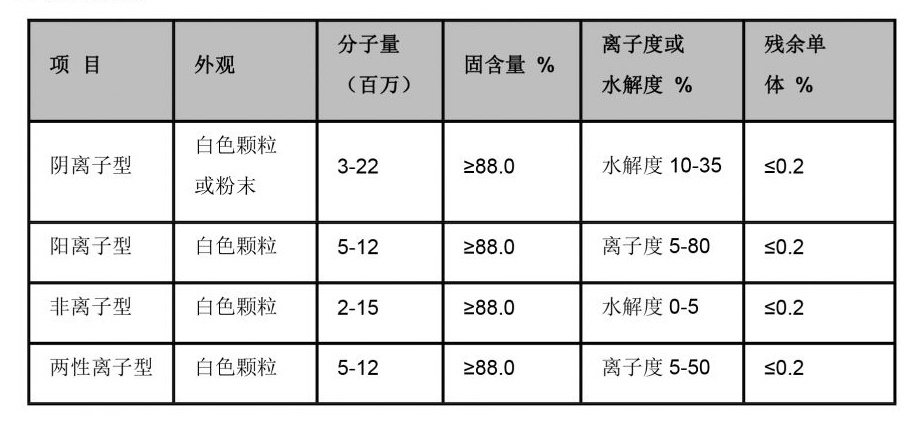
polyacrylamide for sale / polyacrylamide manufacturers / polyacrylamide factory / polyacrylamide supplier / oem polyacrylamide / pam polyacrylamide / polyacrylamide polymer / 9003 05 8 / pam chemical for water treatment / pam water treatment / pam chemical water treatment / polyacrylamide in water / polyacrylamide is a / polyacrylamide p3 / polyacrylamide production / polyacrylamide function / lk-318 / lk-319: LKP BTC is a premier "polyacrylamide manufacturer" operating its own "factory" to produce high-quality "PAM" (Polyacrylamide) "polymer." As a leading "supplier," they offer "polyacrylamide for sale" in various grades and provide "OEM" services. The CAS number for polyacrylamide is 9003-05-8. The primary "function" of their PAM products is for use as a flocculant in "water treatment," where it helps aggregate fine particles for easy removal. They produce specific product lines like "LK-318" and "LK-319" for different applications. |
|
|
|
|
|
READ MORE
|
|
|

|
|
corrosion inhibitors / inhibitors for corrosion / 2 ethylhexanoic acid corrosion inhibitor / sodium 2 ethylhexanoate corrosion inhibitor / encapsulated corrosion inhibitor / surface applied corrosion inhibitor / common corrosion inhibitors / engine corrosion inhibitor / engine coolant corrosion inhibitors / anti corrosion inhibitor / rust and corrosion inhibitors / rustlick corrosion inhibitor / rust corrosion inhibitor / corrosion rust inhibitor / corrosion and rust inhibitors / chemical inhibitors for corrosion control / corrosion inhibitors are / corrosion inhibitors for reinforced concrete / industrial corrosion inhibitors / corrosion inhibitor for heating systems / pipeline corrosion inhibitor / boiler corrosion inhibitor / boiler water corrosion inhibitor / eco friendly corrosion inhibitors: A fundamental product category for LKP BTC is "corrosion inhibitors." They formulate a wide range of "chemical inhibitors for corrosion control" to protect metal surfaces in various systems:• By Chemistry: "2-Ethylhexanoic acid" and its salts are common film-forming "corrosion inhibitors."• By Application: "Industrial" grade for "pipelines," "boilers," "heating systems," "engine coolants," and "reinforced concrete."• By Formulation: "Encapsulated" for slow release, "surface applied" for direct treatment, and "eco-friendly" biodegradable options.Their inhibitors work by forming a protective barrier, neutralizing corrosive acids, or passivating the metal surface to prevent "rust and corrosion." |
|
|
|
|
|
READ MORE
|
|
|
|

|
|
flocculant types / what is poly aluminium chloride / poly aluminium chloride uses / polyacrylamide use / polyacrylamide formation: LKP BTC provides extensive technical expertise on their products. They explain the different "types of flocculants" (anionic, cationic, nonionic polyacrylamide) and their specific applications. They detail "what poly aluminium chloride is" – an inorganic coagulant – and its "uses" in removing suspended solids. For "polyacrylamide," they cover its "use" as a flocculant to aggregate fine particles and its chemical "formation" process. |
|
|
|
|
|
READ MORE
|
|
|

|
|
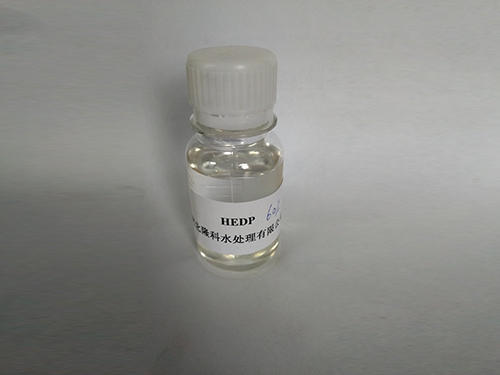
chelating agent example / chelating agent in chemistry / chelating agent in medicine / chelating agent in soil / chelating agent list / chelating agent meaning / chelating agent uses / chelating agents are used to / chelating agents in plant physiology / types of chelating agents / use of chelating agent / use of chelating agents in medicine / uses of chelating agent / chelator examples / chelator meaning / calcium chelating agent examples: LKP BTC is an expert in "chelating agents" (or "chelators"). They explain the "meaning" of chelation: the process where these chemicals bind to metal ions (like "calcium," iron, magnesium), preventing them from forming scale or causing oxidative damage. They provide a "list" or "examples" of types (e.g., EDTA, HEDP, Citric Acid) and their "uses" across industries: in "water treatment" to control scale, in "medicine" for metal detoxification, in "soil" to deliver micronutrients to plants, and in cleaning formulations. |
|
|
|
|
|
READ MORE
|
|
|
|
|
|
|
|