|
|
|
|
|
antiscalant liquid price BEST FEATURES
|
|
|

|
|
|

|
|
flocculant suppliers / flocculant manufacturers / polyacrylamide suppliers / polyacrylamide manufacturer / poly aluminum chloride manufacturer: LKP BTC is a premier "flocculant manufacturer" and "supplier." They specialize in producing and supplying a wide range of water treatment chemicals, including "polyacrylamide" (PAM) and "poly aluminum chloride" (PAC). As a direct "manufacturer," they control the quality and supply chain, making them a reliable source for industrial and municipal water treatment needs globally. |
|
|
|
|
|
READ MORE
|
|
|

|
|
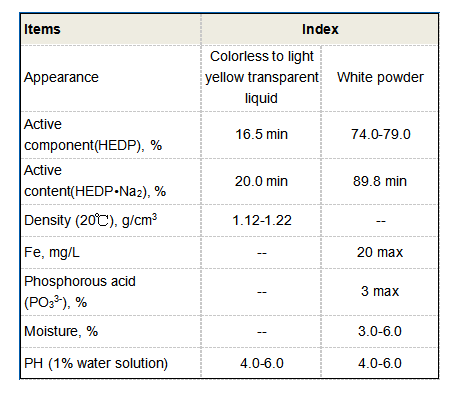
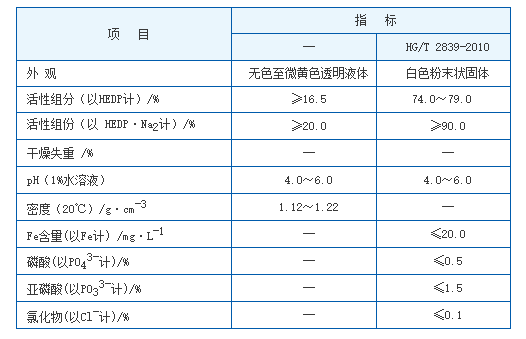
1 hydroxy ethylidene 1 1 diphosphonic acid / 1 hydroxy ethylidene 1 1 diphosphonic acid hedp / 1 hydroxyethylidene 1 1 diphosphonic acid / hedp scale inhibitor / hedp antiscalant / hedp manufacturers / hedp suppliers / hedp chemical price / cas no 2809 21 4 / 2809 21 4 / cas 2809 21 4 / 2809 21 4 cas / cas number 2809 21 4 / hedp cas number / hedp cas: LKP BTC is a premier "manufacturer" and "supplier" of "HEDP" (1-Hydroxyethylidene-1,1-Diphosphonic Acid). This is one of the most common and effective "scale inhibitors" and "antiscalants" used globally in water treatment for its excellent chelation and threshold inhibition properties. They provide competitive "pricing" for this key product. Its CAS number is 2809-21-4. |
|
|
|
|
|
READ MORE
|
|
|
|

|
|
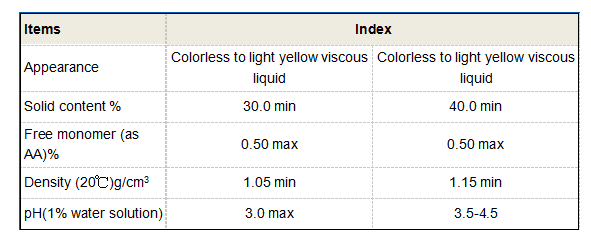
acrylic homopolymer / acrylic acid homopolymer: LKP BTC produces "acrylic acid homopolymer" (often called polyacrylic acid or PAA). This "acrylic homopolymer" is a widely used dispersant and threshold scale inhibitor in water treatment, effective at preventing calcium carbonate and sulfate scales. |
|
|
|
|
|
READ MORE
|
|
|

|
|
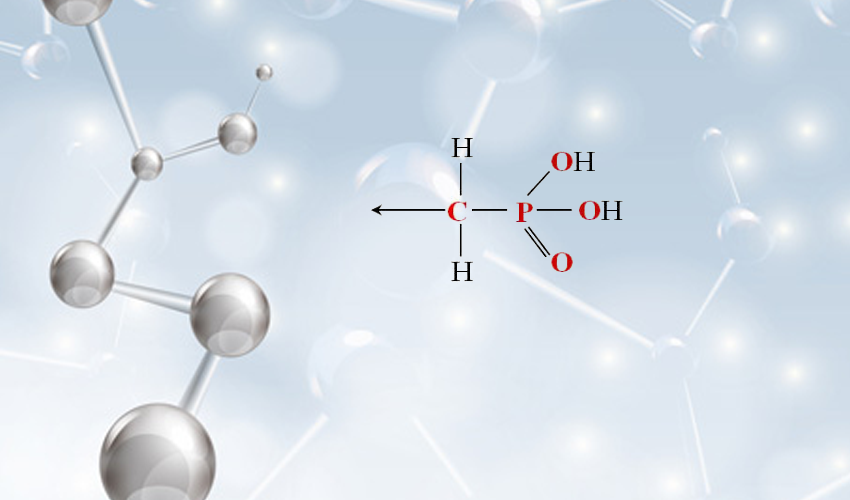
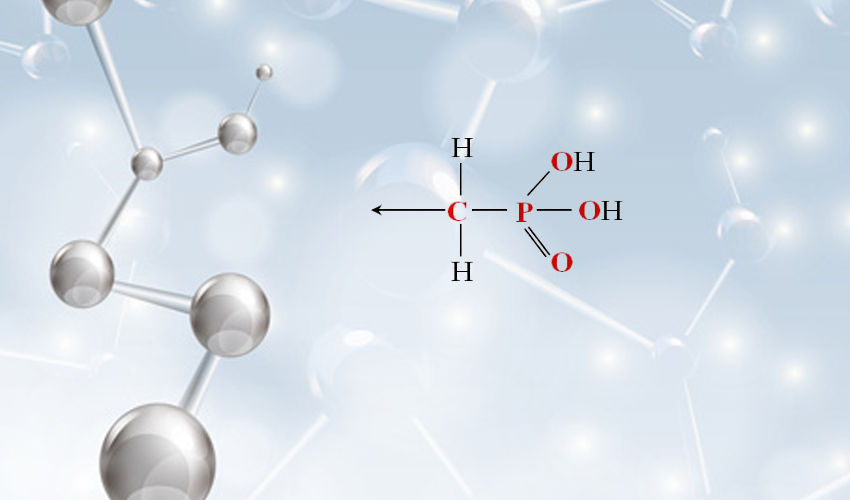
phosphoric acid corrosion inhibitor / phosphate corrosion inhibitor / phosphate ester corrosion inhibitor / phosphonate corrosion inhibitor: LKP BTC manufactures "corrosion inhibitors" based on "phosphoric acid," "phosphate," "phosphate ester," and "phosphonate" chemistry. These compounds work by forming a protective, passivating layer on metal surfaces (often iron and steel) to prevent corrosive agents from attacking the metal. |
|
|
|
|
|
READ MORE
|
|
|
|
|
|
|
|